Pond Plants & Flowers

Create a healthy, vibrant pond with our full range of pond plants - from floating water lilies to oxygenating varieties and plenty of edge-loving marginals. Whether you're planting a wildlife pond, a formal water feature, or a container pond, you'll find plants here for every layer. Choose tall pond irises and Myosotis for the edges, lilies to float on the surface, and oxygenators like Mare's Tail to help keep your water clear and free of algae.

Plant Highlights

  • Wide selection of pond plants suitable for small ponds, large ponds, and container ponds
  • Mix of marginal plants, deep water plants, floating plants, and oxygenating pond plants
  • UK-grown and UK-sourced plants chosen for reliability and performance
  • Plants that support wildlife, water quality, and natural pond balance
  • Options for spring, summer, and long-flowering interest

Find the Best Pond Plants for Your Garden

Recommendations & Mini Choosing Guide

  • Pond Plants for Small Ponds - Compact growers like Bog Pimpernel, Marsh Marigold, and White Water Spearmint work beautifully in smaller ponds or shallow zones.
  • Tall Pond Plants - For height and structure around the pond, choose Hard Rush, Barred Horsetail, or Darmera.
  • Pond Plants for Bog Gardens - Try Acorus ‘Variegatus’, Umbrella Plant, or Iris ‘Rose Queen’ – all are very happy in waterlogged soil and marshy, boggy edges.
  • Bee-Friendly Pond Plants - Lobelia ‘Queen Victoria’, Marsh Marigold, and White Water Spearmint are all great pond plants that attract bees and pollinators.
  • Wildlife Pond Plants - If you want to encourage biodiversity, go for Cuckoo Flower, Bog Pimpernel, and Water Forget-Me-Not. All brilliant in natural-style or wildlife ponds.
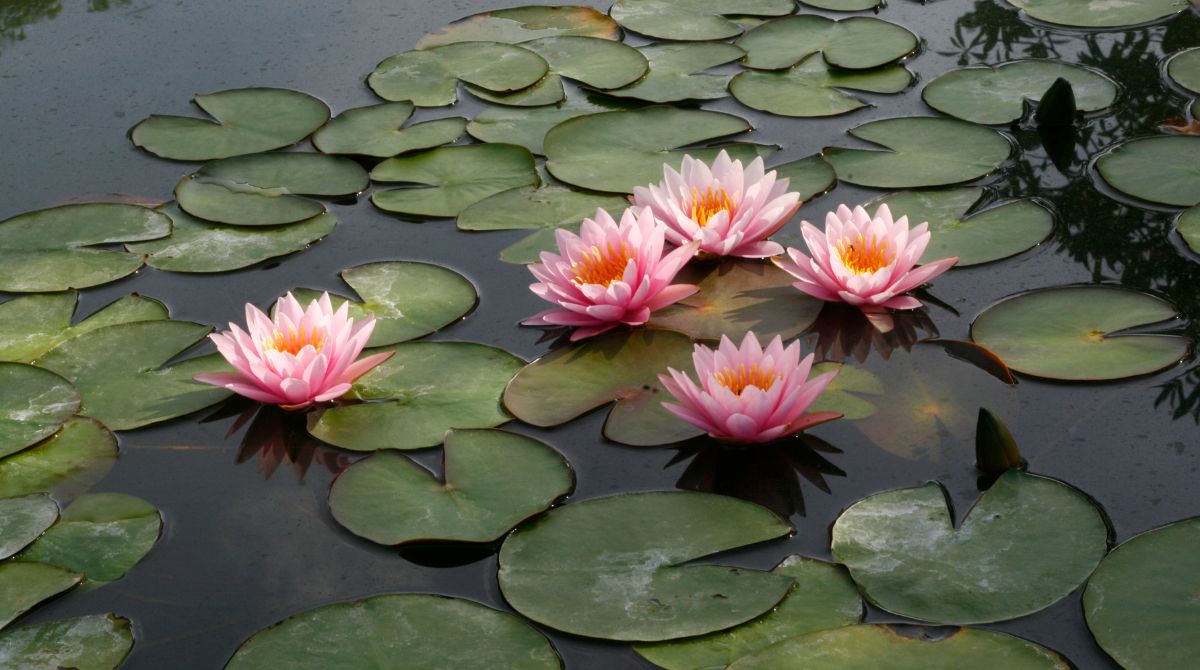
  • Deep Water Pond Plants - Water lilies like ‘Fabiola’ or ‘Gladstoniana’ are perfect deep-water plants if you want something flowering. Mare's Tail will also be happy in deep ponds.

Find the Best Pond Plants for Your Garden

recommendations & mini choosing guide
Pond Plants for Small Ponds - Compact growers like Bog Pimpernel, Marsh Marigold, and White Water Spearmint work beautifully in smaller ponds or shallow zones.

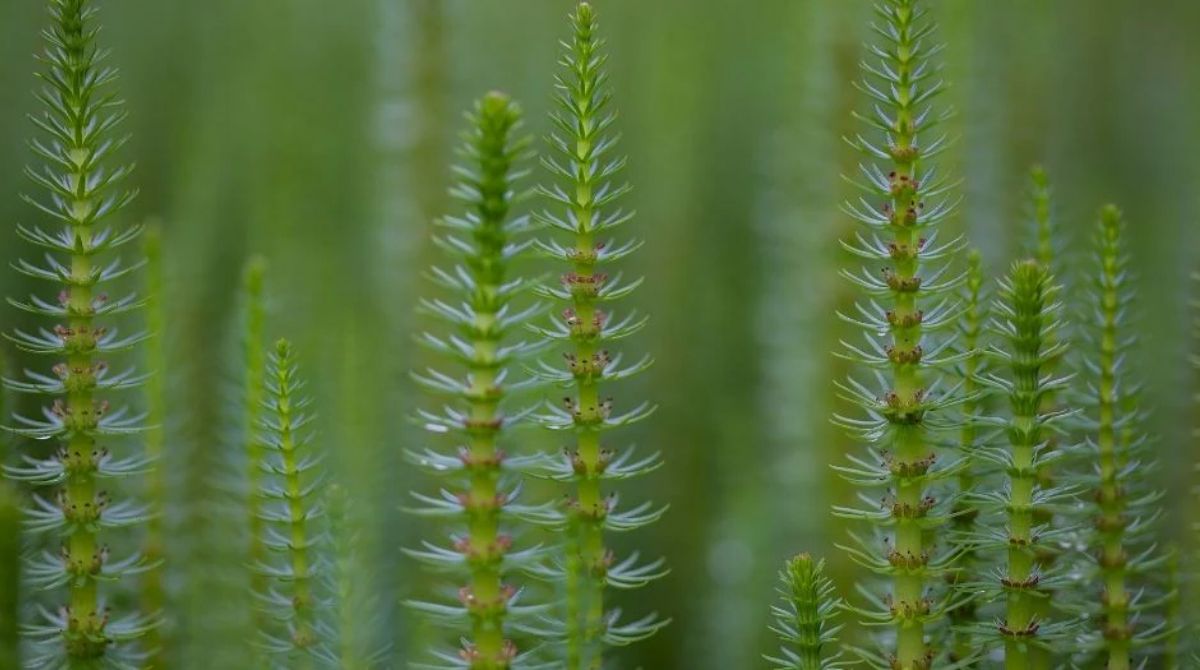
Tall Pond Plants - For height and structure around the pond, choose Hard Rush, Barred Horsetail, or Darmera.

Pond Plants for Bog Gardens - Try Acorus ‘Variegatus’, Umbrella Plant, or Iris ‘Rose Queen’ – all are very happy in waterlogged soil and marshy, boggy edges.

Bee-Friendly Pond Plants - Lobelia ‘Queen Victoria’, Marsh Marigold, and White Water Spearmint are all great pond plants that attract bees and pollinators.

Wildlife Pond Plants - If you want to encourage biodiversity, go for Cuckoo Flower, Bog Pimpernel, and Water Forget-Me-Not. All brilliant in natural-style or wildlife ponds.

Deep Water Pond Plants - Water lilies like ‘Fabiola’ or ‘Gladstoniana’ are perfect deep-water plants if you want something flowering. Mare's Tail will also be happy in deep ponds.

oxygenating plants for small ponds

top pick: Mare’s Tail (Hippuris vulgaris)
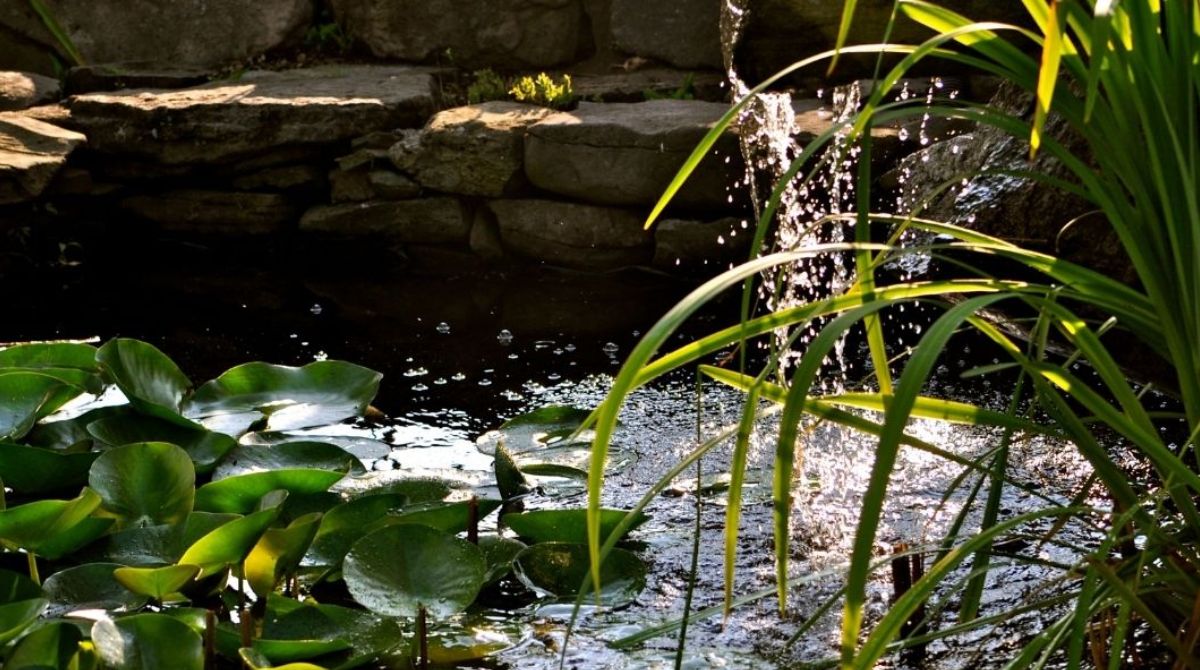
Mare’s Tail is our top recommendation if you are looking for an oxygenating plant for your small pond. Oxygenating plants are submerged or partly submerged plants that release oxygen into the water, helping to keep it free of algae and balanced for fish and wildlife.

Why we recommend it: Mare’s Tail is low-maintenance and perfect for smaller or bigger ponds. Native to the UK, it roots underwater but most of its foliage grows above the surface – offering oxygenation as well as visual interest. It also tolerates a range of water conditions and adds gentle structure for aquatic life.

Plants to go around the edge of your pond

we've got lots of them

These are known as marginal plants, and they come in all shapes and sizes.

You’ll find tall, leafy showstoppers like Umbrella Plant (Darmera peltata) to frame your pond and give it structure. For softer edges, try something low and creeping like Bog Pimpernel (Anagallis tenella). And if you want to draw in bees and butterflies, go for blooms like Marsh Marigold (Caltha palustris) or Cuckoo Flower (Cardamine pratensis).

But what if you're not planting in the water at all - just around it? That’s where you need pondside-friendly perennials like Lobelia 'Queen Victoria' (Lobelia cardinalis). It thrives in damp soil and adds a dramatic splash of colour right next to the water, without needing to sit directly in it.

Why Choose Pond Plants from Carbeth Plants

Most pond problems come down to the same thing: the wrong plant in the wrong place, or not enough plants to balance the water. We keep this collection practical, UK-friendly, and easy to plant, so you can get a pond that looks good and behaves itself.

  • We use UK growers we trust because the plants arrive tougher and settle quicker
  • Product pages tell you the pot size, the plant size, and where it wants to sit in the pond
  • You will find plants for deep water, the pond surface, and the shallow margins, so you can build a proper planting scheme
  • We pack aquatic plants firmly so they do not get knocked about on the way to you

Order online and get pond plants delivered across the UK without the garden centre trip

Seasonal Interest in Pond Plants

A pond is never just a "summer thing". If you choose a mix of pond plants, you get flowers in summer, fresh growth in spring, and strong shapes that still look right when the weather turns.

  • Spring starts with bright, easy colour from marsh marigolds and water forget me not
  • Summer is the main show, with water lilies on the surface and iris flowering along the edges
  • Autumn brings softer colour and seed heads, plus tidy foliage around the marginals
  • Winter is about shape, with rushes and other structural plants keeping the pond looking settled

How to Choose Pond Plants for Your Garden Pond

If you are unsure where to start, think in layers. A few plants for the margins, one or two for the surface, and at least one oxygenator usually gets you a pond that is clearer, healthier, and easier to keep.

  • Shallow water suits marginal plants that like wet feet, not deep water
  • Deep water suits water lilies and other aquatic plants that sit lower in the pond
  • Oxygenating pond plants helps keep the water clearer, especially in a smaller pond
  • Wildlife ponds do best with native pond plants that give cover and food through the season
  • Small ponds need slower spreaders, so you are not thinning plants every year
  • Use aquatic compost in baskets where needed and place plants at the right depth of water from day one.

Our Quality Promise and UK Delivery

We know pond plants can get bashed about in transit if they are not packed properly. That is why we check plants before they leave and pack them so they arrive in a state you would actually be happy to plant.

  • We source from UK growers who raise aquatic plants properly, not as an afterthought
  • Plants are checked before dispatch, so you are not unpacking weak growth
  • We keep the guidance simple, so you know where to plant and what depth to aim for
  • Packing is done to protect crowns, stems, and roots during delivery
  • Delivery is available across the UK, straight to your door

Buying pond plants from Carbeth Plants means you are buying from people who understand ponds and want your planting to work the first time.

Frequently Asked Questions

Oxygenating plants are a big help here because they support water quality and make conditions harder for algae. Pair an oxygenator with a water lily for shade and a few marginal plants for balance. Most ponds clear up once the plants start actively growing.
Mare's Tail is a hardy choice for UK ponds, and it is one of the easiest oxygenators to live with. It copes with cold weather well, and it does not demand constant fussing. If you want a simple oxygenator to start with, it is a solid pick.
Koi are nosy, and they will try a lot, but they usually leave tougher plants alone. Water lilies, rushes, and iris tend to be less tempting than soft, delicate growth. Planting in aquatic baskets also helps protect roots from being pulled about.
It depends on the type of pond plant. Marginal plants want shallow water, usually just covered, while water lilies need deeper water so the crown sits below the surface. If you match the plant to the right depth, it settles much faster.
Yes, and it is one of the easiest ways to start. Choose compact marginals, add a small water lily if you have enough depth, and include an oxygenator to help keep the water fresh. Container ponds warm up quickly, so keep an eye on water levels in summer.
They can, and often they are the most natural fix. Oxygenating plants support better water conditions, and surface plants like water lilies reduce light hitting the water. Once the pond has decent plant cover, algae usually becomes much less of a headache.
Spring into early summer is the easiest window because plants settle quickly as the water warms. You can still plant later on, but growth is slower and you might not see much change until the following season. If the pond is new, planting early helps it balance sooner.