
Some filters could not be applied and were reset.
-
 Acer Atropurpureum £13.99 Add to cart
 -
 Cornus alba 'Sibirica' £9.99 Add to cart
 -
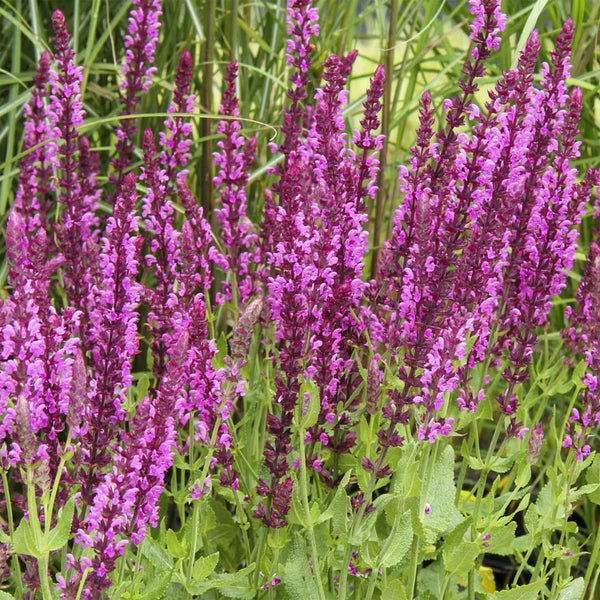 Salvia 'Pink Inspiration' £10.79 Add to cart
 -
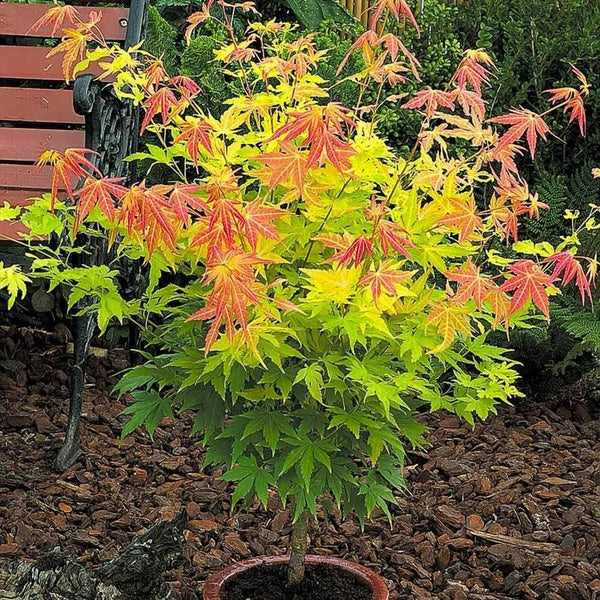 Sold out Acer Orange Dream £13.99
 -
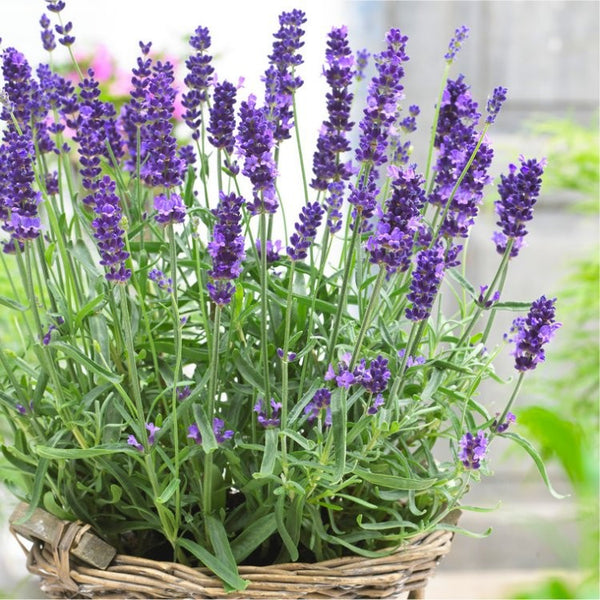 English Lavender Plant - Lavandula Hidcote £11.99 Add to cart
 -
 Acer Palmatum Beni Maiko £13.99 Add to cart
 -
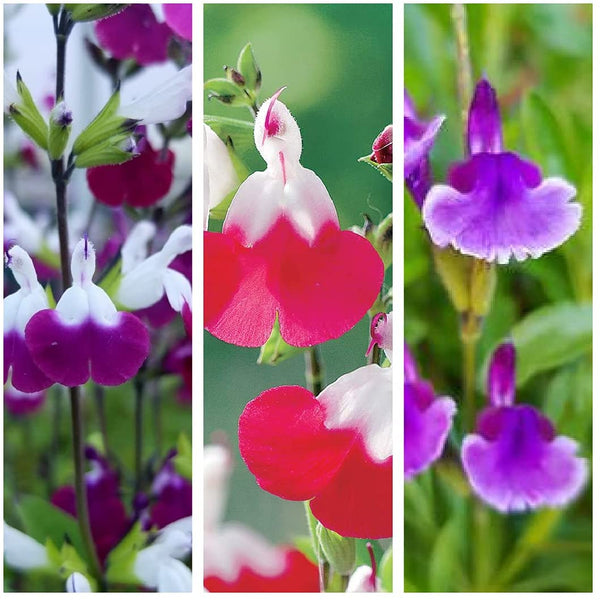 Salvia Plant Mix £16.99 Add to cart
 -
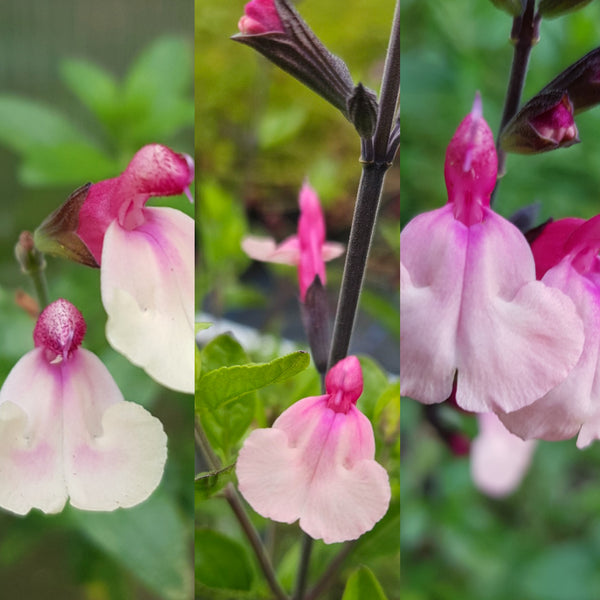 Sold out Salvia Cuello £10.79
 -
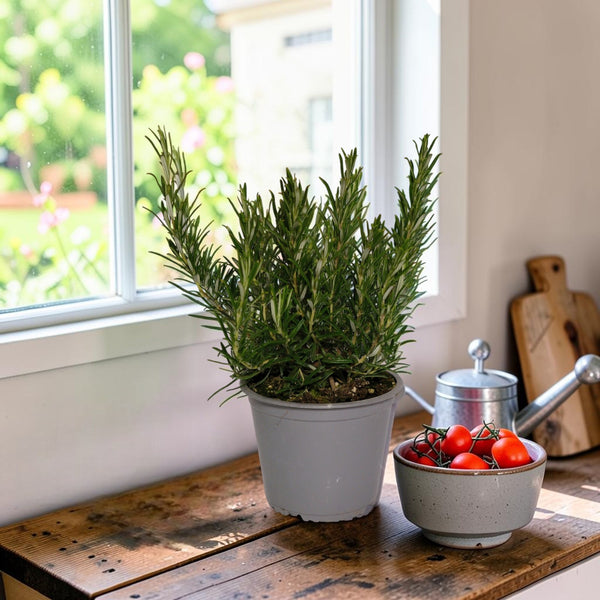 Rosemary Herb Plant £9.99 Add to cart
 -
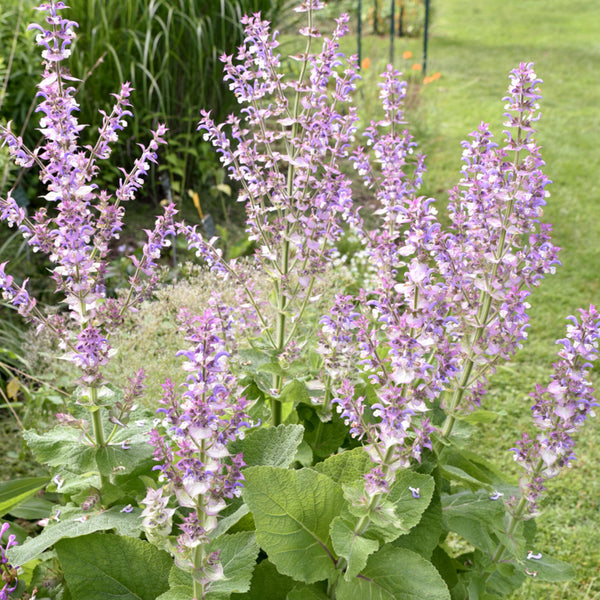 Salvia Turkestanica £11.99 Add to cart
 -
 Acer Palmatum Katsura £13.99 Add to cart
 -
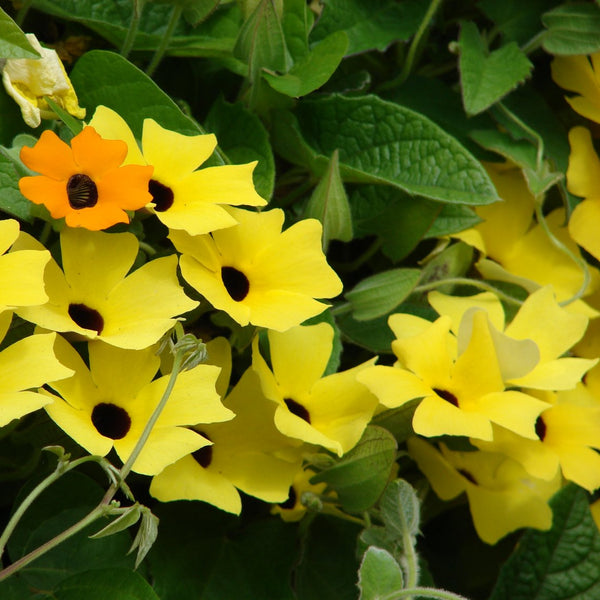 Sold out Thunbergia - Black Eyed Susan Vine £9.99
 -
 Acer Little Princess £13.99 Add to cart
 -
 Cornus - 'Midwinter Fire' £9.99 Add to cart
 -
 Acer Palmatum Phoenix £13.99 Add to cart
 -
 Sold out Acer Palmatum Sango-kaku £13.99
 -
 Acer Tree Mix Plant Collection £29.99 Add to cart
 -
 Sold out BeeZee Pink Lavender Plant - Lavandula £9.99
 -
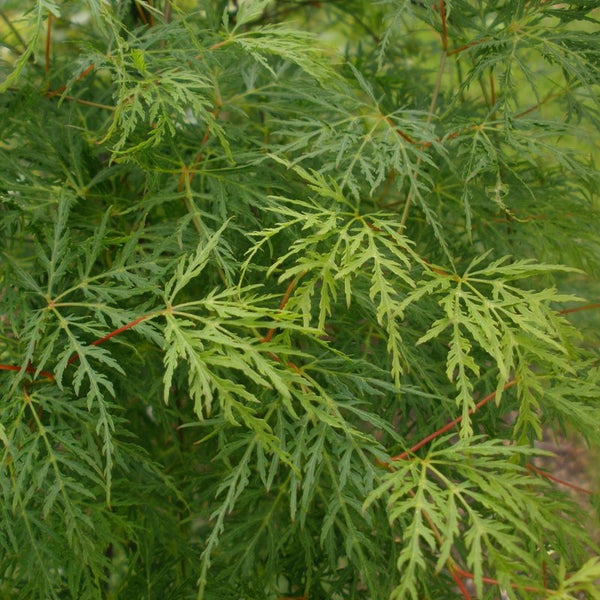 Sold out Acer Emerald Lace £13.99
 -
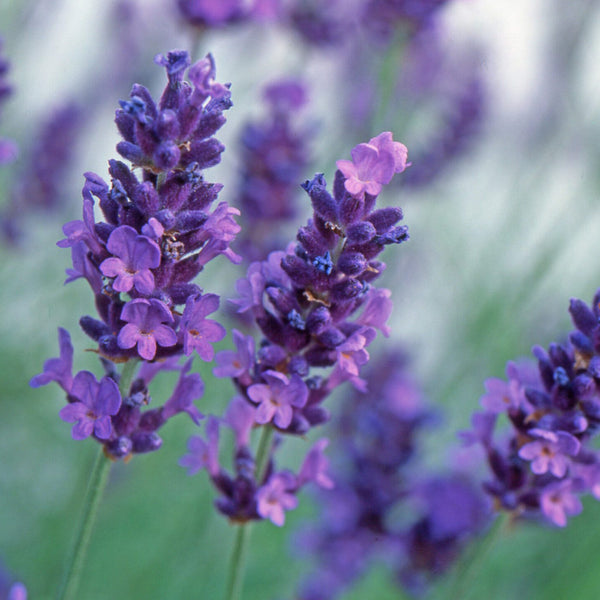 English Lavender Plant - Lavandula Angustifolia £11.99 Add to cart
 -
 Sold out Lavender Angustifolia Lollipop Tree £18.99
 -
 Strawberry Plants £8.99 Add to cart
 -
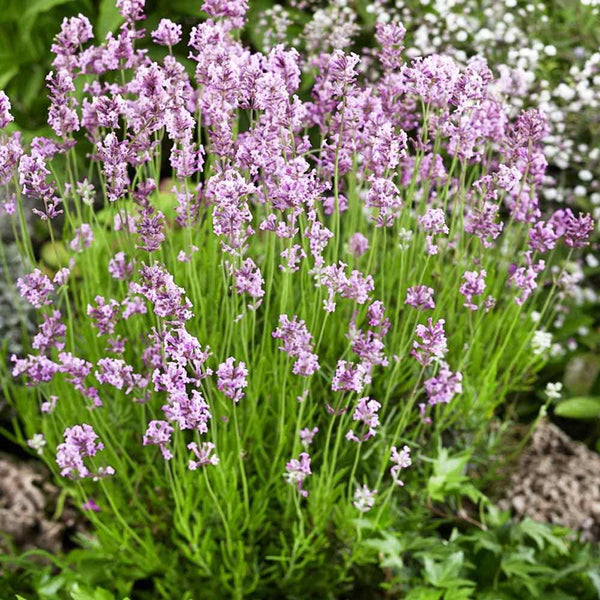 Sold out Lavender Plant - Lavandula Rosea £9.99
 -
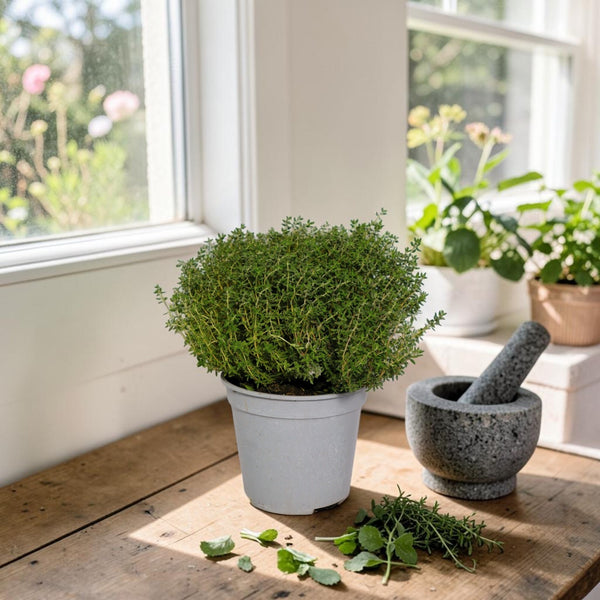 Large Thyme Plant £11.99 Add to cart


Why Choose Our Sensory Gardens Plants
How to Choose Plants for a Sensory Garden
Frequently Asked Questions
Start by keeping things simple. Too many strong colours or competing plants can make a space feel busy rather than peaceful. Soft purples, gentle greens and silvery foliage tend to feel more restful. Lavender and light grasses work well because they move slightly and carry scent without overpowering the area. Leave open space for seating and clear paths so the garden feels easy to spend time in.
It helps to keep the layout easy to understand. Clear planting areas and repeated patterns often feel more comfortable than mixed, crowded borders. Choose plants with soft texture and familiar scents like lavender or rosemary. Edible plants such as strawberries can encourage interaction in a simple, positive way without overstimulating the senses.
Even a small patio or balcony can become a sensory garden. Compact herbs like thyme and lavender are easy to manage in pots. A small Japanese maple can add colour and structure without taking over the space. Mixing low plants with one or two taller features gives depth without clutter.
Lavender is often the first choice because its scent is noticeable but not harsh. Rosemary and thyme release their fragrance when touched, which makes them ideal near paths. Salvia can also add a light scent along with colour. Placing fragrant plants near seating areas means you enjoy them without needing to think about it.
Yes, and they often make the garden more engaging. Strawberries are especially good because they are easy to grow and rewarding to pick. Raspberries and herbs add both flavour and scent. Including edible plants makes the space feel active and useful, not just decorative.
They can be, if you mix different types. Some plants flower in summer, others change leaf colour in autumn, and shrubs like cornus add colour in winter. Adding a few evergreens helps keep the garden from looking empty. A thoughtful mix means there is always something to notice, even in quieter months.