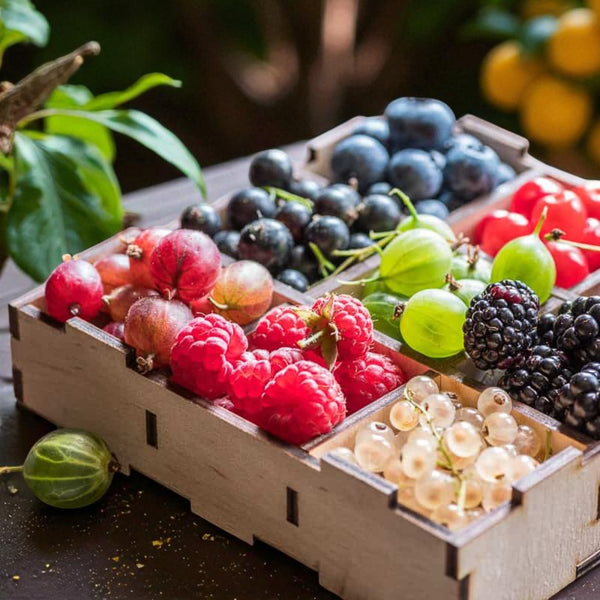
Redcurrant, Whitecurrant & Blackcurrant Bushes

Choose from our variety of redcurrant, whitecurrant and blackcurrant bushes to grow your own fruits. Also known as Ribes rubrum, these fruit shrubs are easy to grow from containers but can also go in the garden.

Plant Highlights

  • A carefully selected range of redcurrant, whitecurrant and blackcurrant bushes suitable for UK gardens
  • Easy to grow soft fruit bushes that crop reliably in borders, containers, and allotments
  • Container grown currant plants supplied in practical 9cm pots
  • Seasonal interest from spring growth through to summer fruiting
  • Ideal for fresh eating, freezing, jam making, and jelly making

Our Redcurrant, Whitecurrant & Blackcurrant Bushes Collection

  • Blackcurrant Bush Ribes Blanka: A heavy-yielding blackcurrant known for long strings of large berries with a rich, bold flavour from late July onwards.
  • White Currant Plant Ribes Witte Parel: A popular whitecurrant cultivar producing translucent berries with a sweet flavour that is perfect for fresh eating.
  • White Currant Plant Ribes Werdavia: A vigorous grower with reliable crops of pale berries that balance sweetness and freshness beautifully.
  • Currant Ribes Fruit Plant Trio: A mixed selection of currant plants that offers variety, improved cropping, and a longer harvest window.
  • Fruit Plant Mix Collection: A versatile soft fruit mix that blends currants with other fruit bushes for productive and space-efficient growing.
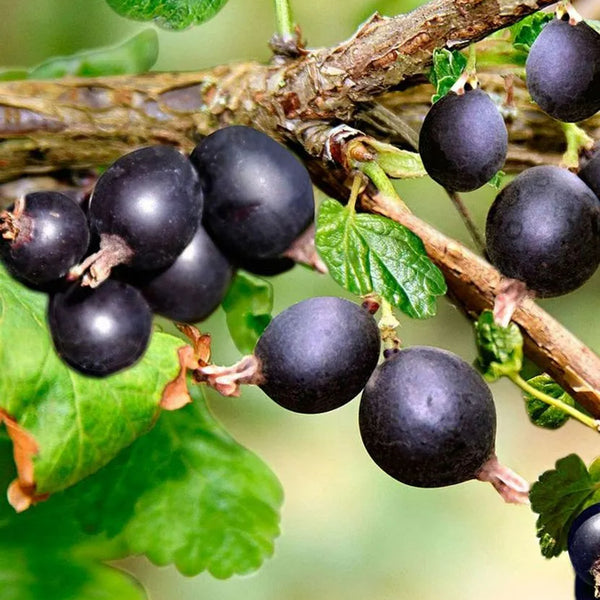
  • Jostaberry Bush: A unique hybrid between blackcurrant and gooseberry that delivers large berries, strong vigour, and excellent disease resistance.

What’s the Difference Between Red, White and Blackcurrants?
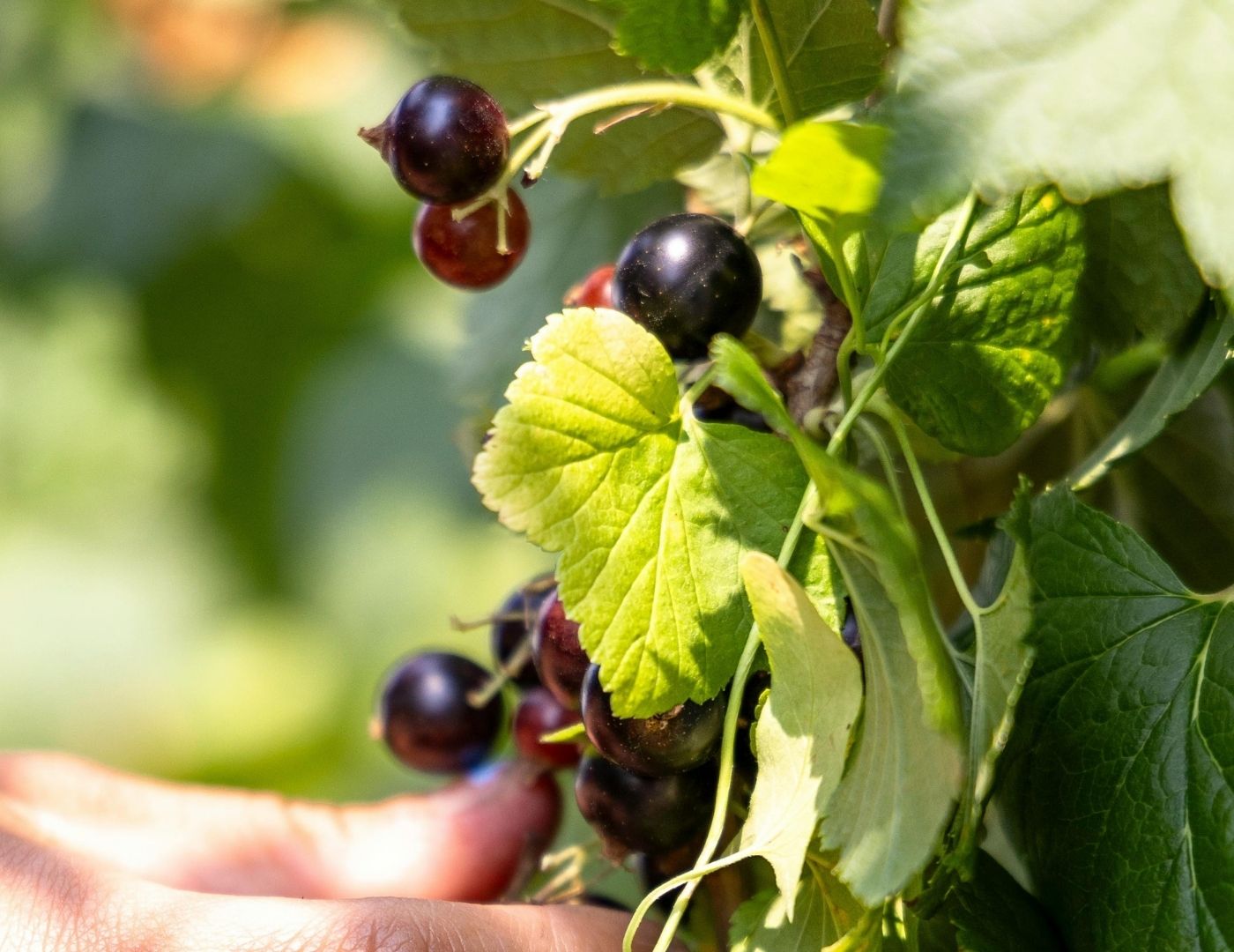
Blackcurrants: Slightly larger than red or white currants, with a bold, tart flavour and high vitamin C content. Most varieties are not self-pollinating, so they’ll need a partner to fruit well. Blackcurrants thrive in shady spots or partial sun, with moist, well-draining, humus-rich soil. Their shallow, wide-spreading root systems mean they don’t need deep soil, making them great for borders or underplanting.

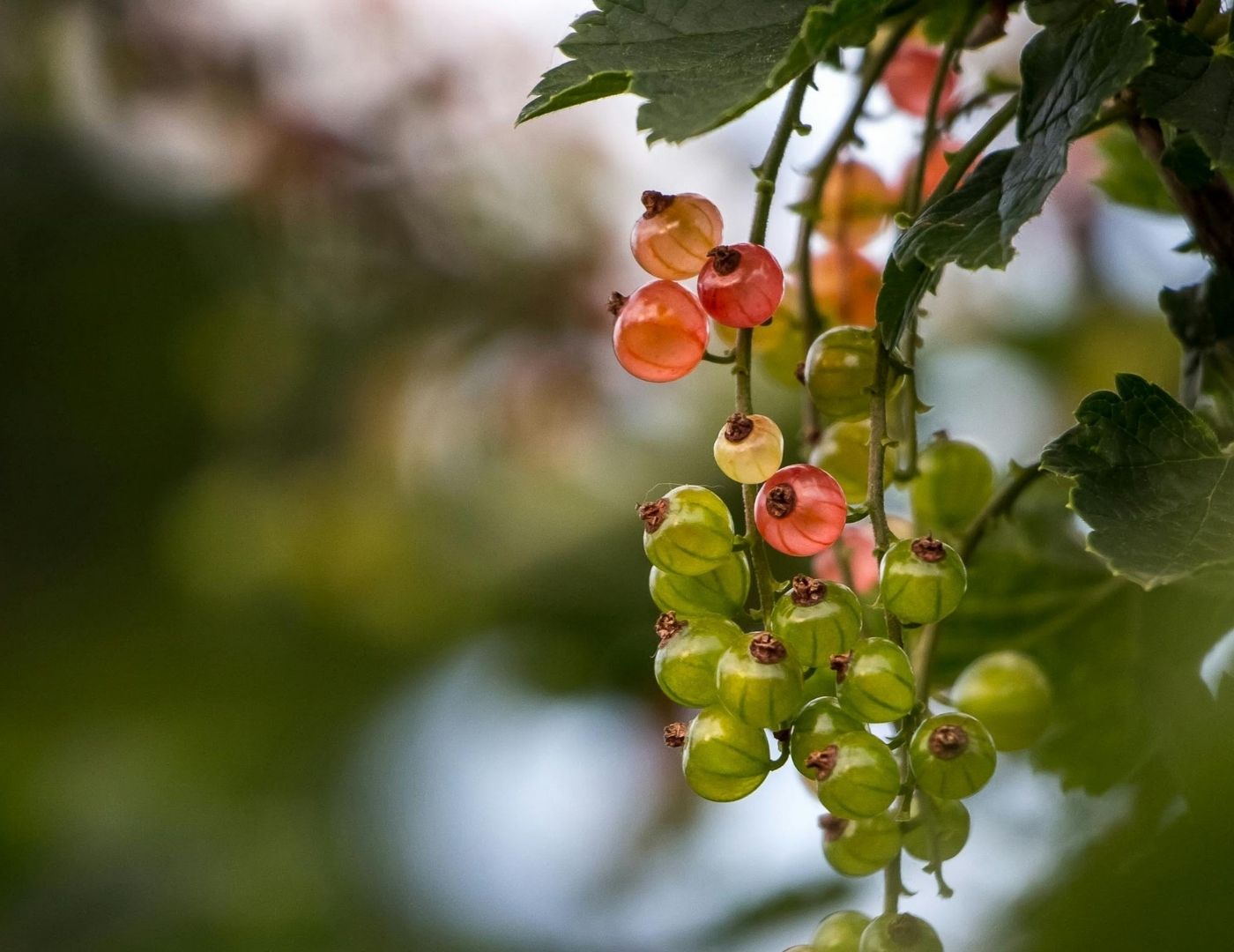
Redcurrants: Glossy, translucent, bright and tangy. Redcurrants grow on upright bushes that are self-pollinating, so you only need one to get fruit. They do best in full sun, and are ideal for training against walls or fences. They’ll also grow happily in containers with regular watering and feeding.

Whitecurrants: In general, white currants are the sweetest of the three. Whitecurrants are actually a cultivar of redcurrant, and share the same care needs - but they’re often preferred for fresh eating. Their pale, pearl-like berries are especially good for kids or those who find blackcurrants too sharp.

How to care for your currants

Currants are low-maintenance but benefit from a few simple growing principles. They prefer moist, well-drained soil enriched with compost or organic matter, and thrive with a good mulch layer to retain moisture. Water young plants regularly, especially in dry spells or if grown in pots.

While they don’t grow well alongside non-currant companion plants, planting different currant types together can improve fruiting. Cross-pollination between red, white, and blackcurrants helps reduce “run-off” (this is when berries fall before fully ripening) and increases yield.

Give them space to breathe, prune annually to keep the plants open and productive, and you’ll be rewarded with deliciously reliable crops for years to come.

Our Highest-Yielding Currant

If you’re looking for maximum yield from a single plant, Blackcurrant 'Ribes Blanka' is the one to go for. It produces masses of large, sweet berries on long strings from late July through to August - more than any other currant we grow. Easy to care for and suitable for most garden spaces, it’s a reliable, heavy cropper that rewards you year after year.

Why Choose Currant Bushes from Carbeth Plants

We specialise in supplying fruit bushes that perform well in real British growing conditions. Every currant bush is selected for strength, cropping potential, and ease of care, making them suitable for both beginners and experienced growers.

  • Grown plants chosen for vigour, health, and reliable fruiting
  • Clear information on plant size, pot size, and seasonal interest
  • Ideal selection for home gardens, allotments, and container growing
  • Trusted UK nursery expertise behind every plant
  • Careful packing to protect roots and canes during delivery

Explore our wider fruit bushes and soft fruit plants collections to build a productive garden from the ground up.

Seasonal Interest and Cropping

Currant bushes bring steady interest through much of the growing year, with fruiting as the main highlight.

  • Spring brings fresh green growth and flowering that signals the coming crop
  • Summer is peak season, with redcurrants, whitecurrants, and blackcurrants ripening from late July
  • Autumn foliage softens before plants settle into dormancy
  • Winter is ideal for pruning and preparing plants for the next season

With good care, currant bushes reward you with heavy crops for many years.

How to Choose and Grow Currant Bushes

Choosing the right currant bush depends on flavour preference, available space, and light levels. Once planted, they are low-maintenance and easy to manage.

  • Plant currant bushes in well-drained soil enriched with compost
  • Choose full sun for red and white currants or partial shade for blackcurrants
  • Space plants well to improve airflow and reduce leaf spot
  • Water during dry spells, especially for container-grown plants
  • Mulch annually to retain moisture and support strong growth

Currants respond well to pruning and benefit from a high potash fertiliser during the growing season.

Our Quality Promise and UK Delivery

Every currant bush is checked before dispatch to ensure it arrives healthy, well-rooted, and ready to plant. We pack carefully to protect canes and roots so your plants settle quickly once delivered.

  • Fast and reliable UK delivery
  • Secure packaging designed for live plants
  • Garden-ready currant bushes grown by trusted UK growers

Browse the collection above and choose the currant bushes that suit your space and taste.

Frequently Asked Questions

Most redcurrant and whitecurrant bushes are self-fertile, so a single plant will produce fruit. Blackcurrants often crop better when grown alongside another variety. Planting more than one bush can also improve yields and extend the harvest.
White currant bushes typically reach around 1.2 to 1.5 metres in height and spread. They form neat, upright plants that are easy to manage with annual pruning. This makes them suitable for borders and larger containers.
Currant bushes do not require a trellis, but red and white currants can be trained against walls or fences if space is limited. Blackcurrants are usually grown as free-standing bushes. Light support can help young plants establish.
A well-cared-for blackcurrant bush can remain productive for ten to fifteen years. Regular pruning helps maintain vigour and encourages new fruiting wood. Replacing older plants keeps crops heavy and healthy.
Yes, currant bushes grow well in containers if given enough space and regular watering. Use a large pot with good drainage and quality compost. Container-grown plants benefit from feeding and protection during dry spells.
Currant bushes can be planted from autumn through to spring, avoiding frozen or waterlogged soil. Container-grown plants can be planted almost any time of year. Early planting helps roots establish before summer growth.
Currant bushes are hardy and well-suited to UK winters. They tolerate frost well once established. Shelter from harsh winds helps protect flowers in spring and improves fruit set.